

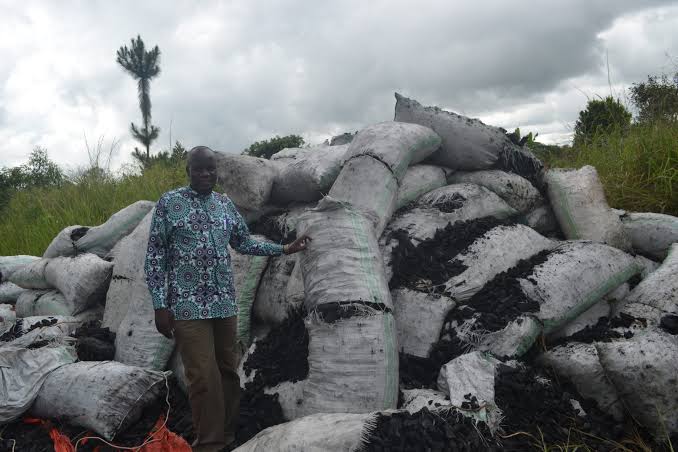
IS GOVERNMENT PROTECTING UGANDA’S FORESTS OR PREPARING A MARKET FOR COOKING GAS?
✍️ By: Bakinyumya Douglas Paapa Senior Political TV Host & Analyst - @BDouglasPaapa
WHEN ENVIRONMENTAL PROTECTION BECOMES A QUESTION OF SURVIVAL
Uganda is facing an uncomfortable contradiction: the government wants to protect the country's forests, yet millions of households still depend on charcoal and firewood to prepare their daily meals. As enforcement against commercial charcoal production and transportation intensifies, one fundamental question is confronting ordinary Ugandans:
Is the government fighting deforestation or imposing an energy transition that millions of citizens cannot afford?
In May 2023, President Yoweri Kaguta Museveni issued Executive Order No. 3, directing action against commercial charcoal production and the wood-fuel trade in severely affected parts of northern and northeastern Uganda. The crackdown was intended to address widespread tree destruction, environmental degradation and the alleged involvement of powerful individuals in illegal charcoal operations.
The environmental argument is difficult to dismiss.
Forests cannot be destroyed indefinitely without consequences. Deforestation threatens rainfall patterns, agricultural productivity, biodiversity and the livelihoods of communities that depend on healthy ecosystems. Unregulated charcoal production can accelerate land degradation and undermine the future of generations yet to be born.
But there is another side to this story.
A policy can be environmentally justified and economically devastating if the government fails to provide affordable alternatives.
That is the dilemma facing ordinary Ugandans.
For a wealthy household, switching from charcoal to gas may be a straightforward lifestyle decision. For a low-income family, it may mean choosing between buying a cooking-gas cylinder, paying school fees, purchasing food or meeting rent.
For a roadside restaurant owner, a rolex vendor, a bushera seller or a small food business, cooking fuel is not a luxury. It is a production cost. When that cost rises, profits shrink, prices increase and customers who are already struggling may simply stop buying.
And for rural households that depend on charcoal production and trade to earn money for food, healthcare and education, a sudden crackdown can destroy livelihoods before replacement opportunities exist.
So, while the government talks about saving forests, citizens are asking a different question:
Who is saving the ordinary Ugandan from the cost of saving the environment?
That is the question policymakers must answer.
Environmental protection cannot become an excuse for economic punishment. Neither can poverty become a licence to destroy forests indefinitely.
The challenge is to protect both the environment and the people who depend on it.
And that requires more than prohibitions, roadblocks and seizures.
It requires a credible national energy strategy.
IS GOVERNMENT OPENING THE DOOR FOR A GAS MARKET?
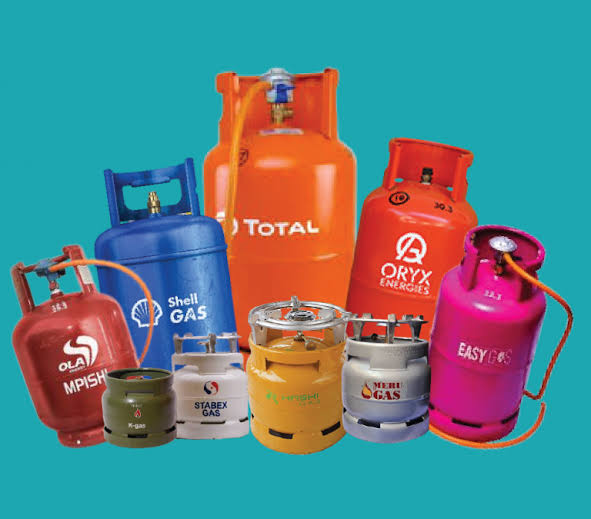
This is where the charcoal debate becomes politically sensitive.
As restrictions tighten, government continues to promote cleaner cooking alternatives, including liquefied petroleum gas (LPG), electricity and improved cooking technologies.
On paper, the transition makes sense. Cleaner cooking can reduce pressure on forests, improve household air quality and support environmental sustainability.
But the economics of that transition cannot be ignored.
A household that has cooked with charcoal for years cannot automatically switch to gas simply because authorities have restricted its traditional fuel source.
The household must first acquire a cylinder, a burner, appropriate accessories and the money required for refills. It must also be confident that it can afford the recurring costs.
Even when gas may be competitive over time, the initial investment can be prohibitive for families living on irregular incomes.
Electricity presents its own challenges, particularly for households that cannot afford suitable cooking appliances or are concerned about the cost and reliability of supply.
This raises a legitimate question:
Is government creating the conditions for a clean-energy transition or restricting the affordable options of the poor before making alternatives accessible?
And another:
Who stands to benefit economically when millions of consumers are pushed away from charcoal and toward alternative fuels?
These questions must be asked. But they must also be answered with evidence.
There is no sufficient evidence, from the policy itself, to conclude that the charcoal crackdown was designed to create a market for gas companies or generate profits for government. The environmental rationale is publicly stated, and promoting cleaner energy does not, by itself, establish a hidden commercial motive.
Nevertheless, government must recognise that policies create markets, redistribute economic opportunities and produce winners and losers.
If charcoal becomes more difficult to obtain, demand for alternatives may increase. Gas suppliers and clean-cooking businesses could benefit from that shift. Meanwhile, charcoal traders, rural producers and low-income consumers may bear substantial costs.
That is precisely why transparency matters.
Ugandans deserve to know how clean-cooking policies are designed, which companies participate in government programmes, how subsidies are allocated, whether procurement is competitive and whether low-income households are genuinely benefiting.
If government distributes starter kits, how many households receive them?
Are the cylinders and burners free, subsidised or subject to conditions?
Can recipients afford refills after the initial support ends?
Are rural communities that lose income from charcoal production receiving viable alternatives?
And are the benefits of the energy transition reaching ordinary households—or primarily those who can already afford to make the switch?
These are not accusations of wrongdoing. They are legitimate questions of public accountability.
A clean-energy policy must not become a compulsory market transition in which the poor are forced to abandon what they can afford for what they cannot.
If government believes gas is the answer, it must demonstrate that the solution is affordable, reliable and sustainable for the majority—not merely attractive in policy documents.
WHO WINS, WHO LOSES AND WHO IS ACCOUNTABLE?
The charcoal crackdown has consequences extending far beyond the forest.
In rural areas, producers and traders may lose income. Along transport routes, enforcement operations can disrupt supply chains. In Kampala and other urban centres, reduced availability or increased transportation risks can put upward pressure on prices.
Small businesses that rely on charcoal may be forced to reduce production or raise prices. Consumers may respond by buying less, changing what they cook or sacrificing other household necessities.
Yet if the government does nothing about destructive charcoal production, Uganda risks further environmental damage.
The real choice is not between protecting forests and protecting poor people. A responsible government must do both.
That requires a policy that is firm against illegal environmental destruction but intelligent enough to recognise the economic realities of the people affected.
- Does government understand the cost of cooking?

Before restricting a widely used source of household energy, government should publish clear evidence on the affordability and availability of alternatives.
It should establish how much a low-income household spends on cooking fuel, how much switching to LPG or electricity would cost, and what support is needed to make that transition realistic.
A policy cannot be judged successful merely because charcoal seizures increase.
It must also be judged by whether families can still cook their meals without being pushed deeper into poverty.
2. Is charcoal the enemy or is the real enemy uncontrolled destruction?
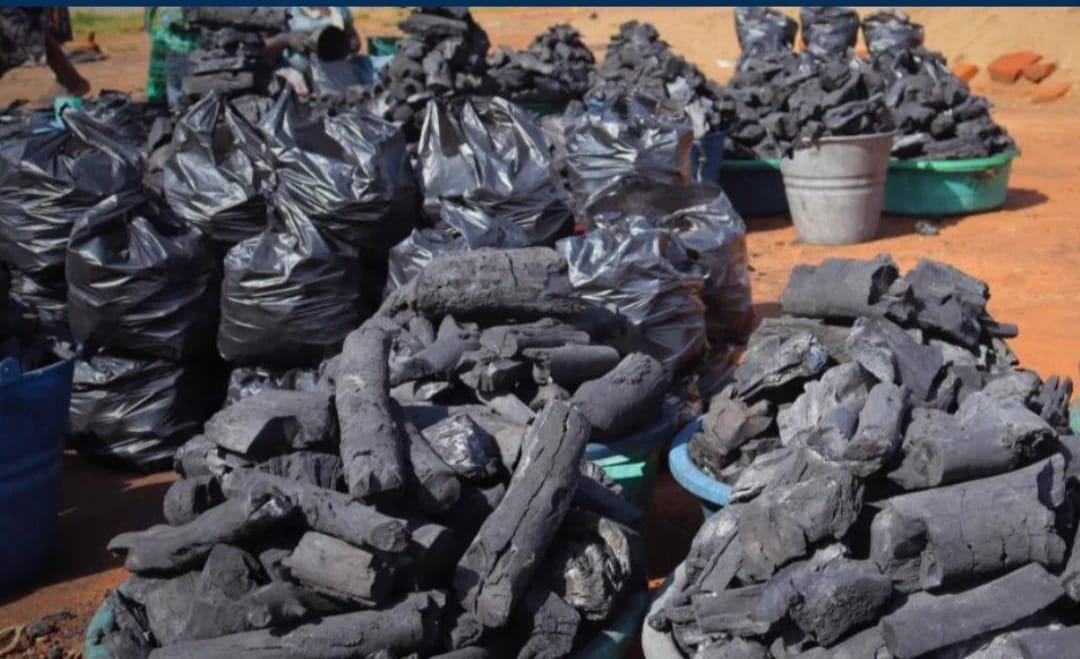
Charcoal itself is not the entire problem. The deeper problem is an unsustainable production system that destroys forests faster than they can regenerate.
Sustainable woodlots, regulated production, responsible harvesting, reforestation and enforcement against illegal logging must form part of the solution.
If enforcement merely shifts production into neighbouring districts or underground supply chains, the environmental problem may move rather than disappear.
A ban that changes the route of destruction without changing the system of production is not a complete solution.
3. What happens to those who lose their livelihoods?
Government cannot simply close an economic door and expect affected communities to find another one overnight.
Charcoal producers and traders need realistic transition programmes, including tree planting, sustainable forestry, agricultural enterprises, vocational training and access to alternative income-generating activities.
Otherwise, the policy risks turning environmental protection into a punishment imposed disproportionately on people with the fewest economic choices.
4. Who benefits, and who carries the burden?
This is the question that deserves the greatest scrutiny.
Government must disclose how clean-energy initiatives are funded, how suppliers are selected, what support reaches vulnerable households and whether the benefits of the transition are distributed fairly.
If private companies benefit from an expanding clean-cooking market, that is not inherently wrong. Investment and business growth can help deliver cleaner energy.
But the public interest must come first.
The transition must not leave rural producers without livelihoods, urban households unable to cook and small businesses struggling to survive while the market opportunities flow elsewhere.
THE FINAL QUESTION: CAN UGANDA AFFORD THE BAN?
Uganda cannot afford to destroy its forests indefinitely.
But neither can it afford an environmental policy that ignores the financial realities of millions of citizens.
Government must stop treating enforcement as the final measure of success. The real measure is whether deforestation declines, whether cleaner cooking becomes accessible, whether displaced workers find viable alternatives and whether household energy becomes more affordable over time.
The government owes Ugandans answers.
Where is the comprehensive transition plan?
Where is the evidence that poor households can afford the alternatives?
What support exists for communities whose incomes depend on charcoal?
How will the government ensure that the crackdown does not simply create an underground trade?
And, ultimately:
Is the objective to protect Uganda's forestsor will the government also protect the people who cannot afford the price of that protection?
The country needs a serious debate, not propaganda for either side.
Those destroying forests recklessly must be held accountable. Those enforcing the law must act transparently. Businesses entering the clean-energy market must operate fairly. And government must ensure that environmental policy does not become an additional burden on citizens already struggling with the cost of living.
Uganda's forests must survive.
But so must its households, small businesses and rural livelihoods.
A government that protects trees while ignoring hungry families has not completed the job. And a society that destroys its forests to survive today may be sacrificing tomorrow.
The answer is neither an unquestioned ban nor unrestricted charcoal production.
The answer is an affordable, enforceable and socially just transition to sustainable energy.
Until that transition becomes a reality, one question will continue to haunt this policy:
WHO IS PAYING THE PRICE FOR UGANDA'S CHARCOAL BAN AND WHO IS REAPING THE BENEFITS?
✍️ By: Bakinyumya Douglas Paapa Senior Political TV Host & Analyst – @BDouglasPaapa