
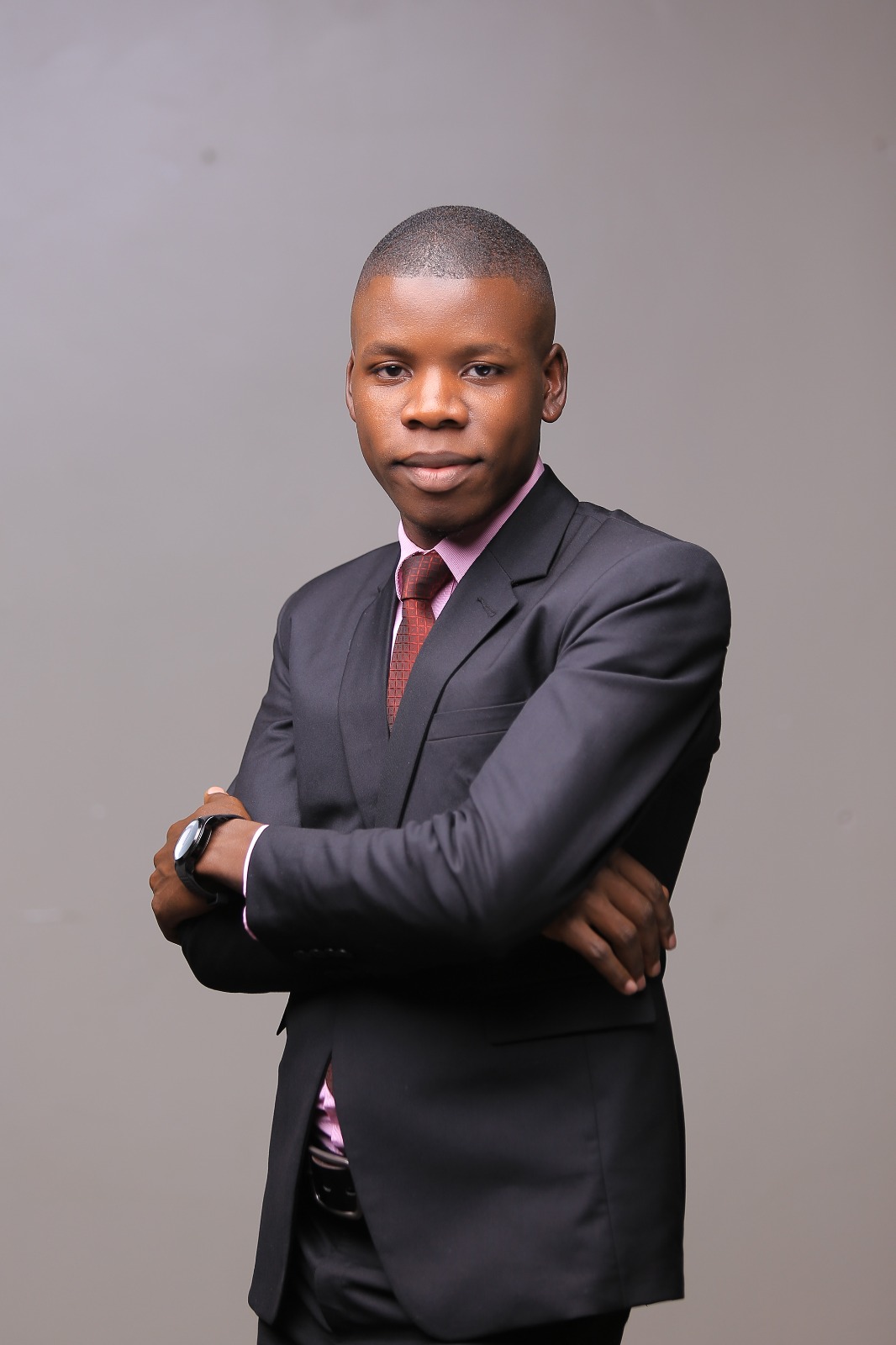
Uganda Human Rights Commissioner Crispin Kaheru argues that the conversation on human rights in Uganda should move beyond the false choice between perfection and permanent crisis. He says the real question is not whether Uganda faces challenges, because every country does, but whether the country is making measurable progress.
KAMPALA – The resignation of Fauzat Mariam Wangadya as Chairperson of the Uganda Human Rights Commission (UHRC) has ushered in a new chapter for the constitutional body, with commissioners insisting that the institution will continue executing its mandate despite the leadership change.
Wangadya formally tendered her resignation in a letter dated July 6, 2026, addressed to President Yoweri Museveni. In the brief letter, she thanked the President for the opportunity to serve Uganda in the promotion and protection of human rights but did not publicly state the reasons for stepping down.
Her departure comes after weeks of public disagreements over the leadership of the Commission and criticism she directed at the appointment process for commissioners. Despite the unexpected exit, commissioners have sought to reassure the public that the Commission remains fully operational and committed to its constitutional responsibilities.
One of the commissioners, Crispin Kugiza Kaheru, has consistently maintained that the Uganda Human Rights Commission is a constitutional institution whose work extends beyond any individual office holder. He has argued that the country's human rights conversation should focus on measurable progress, institutional accountability and improving the lives of ordinary Ugandans.
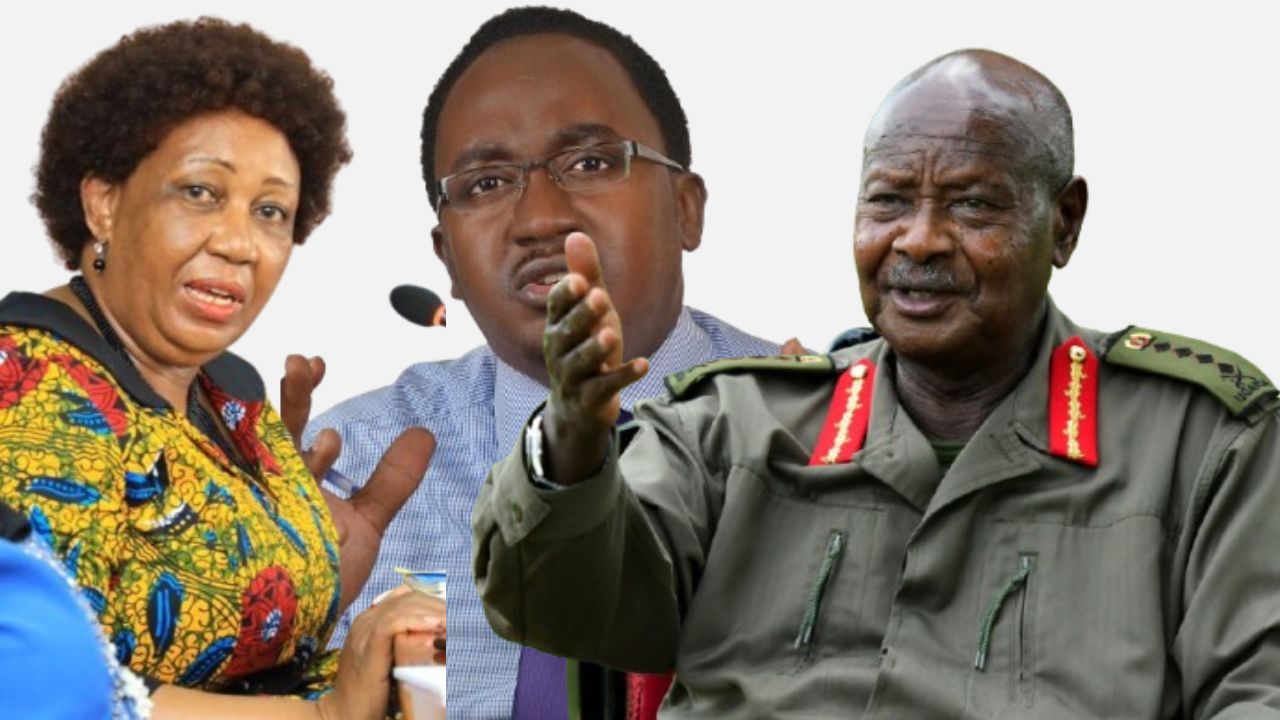
Political observers say Wangadya's departure leaves a significant leadership gap for the next Chairperson to fill. During her tenure, the Commission remained at the centre of national debates on detention conditions, access to justice, electoral rights, civic freedoms and the protection of vulnerable groups. The leadership transition now places renewed attention on the Presidency, which is constitutionally mandated to appoint a new Chairperson, subject to approval by Parliament. As of publication, President Museveni had not publicly commented on Wangadya's resignation or announced who will succeed her.
Attention has also turned to possible successors. Among those whose names have surfaced in public discussion is Commissioner Crispin Kugiza Kaheru, a governance and human rights expert who previously served as National Coordinator of the Citizens' Coalition for Electoral Democracy in Uganda (CCEDU). However, there has been no official indication that Kaheru—or any other commissioner—is being considered for the position.
Governance analysts say the incoming Chairperson will inherit an institution facing growing public expectations to strengthen accountability, enhance public confidence and uphold the Commission's constitutional independence.
The new leader will also be expected to steer the Commission through emerging human rights challenges, including access to justice, protection of civil liberties, children's rights, women's empowerment and socio-economic rights.
For now, the Uganda Human Rights Commission continues its work through its serving commissioners, who insist that the institution's constitutional mandate remains unchanged despite the departure of its former Chairperson. With Wangadya's exit, the focus now shifts to who will lead the Commission into its next phase and how the new leadership will shape Uganda's human rights agenda in the years ahead.